What landlords need to know about licensed rubbish collection
Posted on 18/08/2026
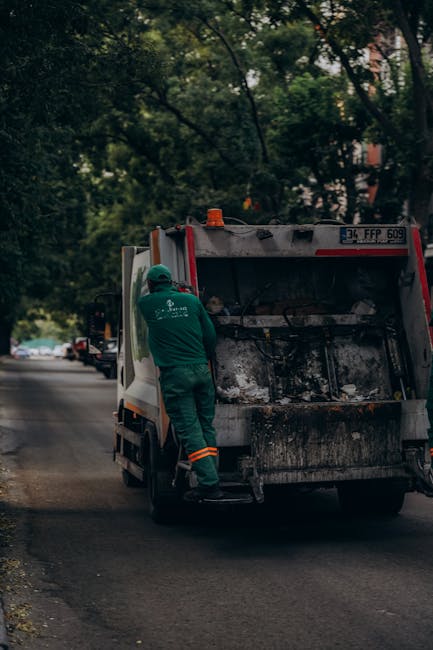
If you rent out property, rubbish is never just rubbish. One leftover sofa in a hallway, a bagged pile of builder's offcuts in the front garden, or a bin store that's quietly overflowing can turn into a tenant complaint, a council issue, or a very awkward checkout day. What landlords need to know about licensed rubbish collection is really about protecting your property, staying on the right side of waste rules, and keeping things moving when a tenancy ends or a flat needs clearing fast.
To be fair, most landlords do not want to become waste experts. You just want the place cleared properly, evidence that it was handled responsibly, and no surprises later. This guide explains how licensed rubbish collection works, why it matters, what to check before booking, and how to avoid the common mistakes that cause delays, fines, or messy disputes.
Why What landlords need to know about licensed rubbish collection Matters
For landlords, rubbish clearance sits right at the crossroads of compliance, reputation, and tenant satisfaction. A property might look fine during a viewing, but once a tenancy ends you can discover old mattresses, broken blinds, carpet offcuts, mixed household waste, and the occasional mystery item nobody wants to claim. It happens. More often than people admit.
The word licensed matters because waste has to be transported and handled by someone who is authorised to do so. If you hand your tenant's rubbish to the wrong operator, or you cannot show that it was taken away properly, the problem may circle back to you. That is the bit landlords sometimes underestimate.
There is also a commercial side. Empty properties cost money every day they sit unused. A clean, cleared unit tends to photograph better, view better, and turn around faster. If you manage flats, HMOs, or mixed-use spaces, licensed collection helps keep move-outs calm rather than chaotic. And yes, there is a difference between a quick tidy-up and a proper waste collection with documentation. A big one.
If you are working in a busy rental market, the pace matters too. Properties near transport links, student areas, or lively high streets can need clearing at short notice. That is where a simple, dependable system pays off. Many landlords pair waste planning with broader property upkeep, and it often sits alongside topics like house clearance support or even choosing the right rubbish removal approach when a whole unit needs resetting.
How What landlords need to know about licensed rubbish collection Works
Licensed rubbish collection is fairly straightforward once you strip away the jargon. A landlord identifies the waste that needs removing, books a suitable collection, and the operator takes responsibility for loading, transporting, sorting, and disposing of the material through lawful channels. In practice, the service should fit the type and volume of waste, not the other way round.
Here is what usually happens:
- You describe the waste. This can include general household items, bulky furniture, bagged waste, garden cuttings, light builder's waste, or mixed tenancy leftovers.
- The provider assesses access. Flats, basement properties, top-floor walk-ups, tight stairwells, permit zones, and courtyard access can all affect the plan.
- A price or estimate is given. Good operators explain what is included, what could change the cost, and whether there are extra charges for heavy lifting, restricted access, or special items.
- The team removes the waste. A licensed crew should load it safely and keep disruption down. You do not want bin bags dragged through a freshly cleaned hallway if it can be helped.
- The waste is taken to the appropriate facility. That may involve reuse, recycling, transfer, or disposal depending on the material.
One practical point landlords appreciate: licensed collection is not the same as someone with a van and a casual promise. The licensed provider should be able to explain what they do with different waste streams and should not encourage fly-tipping by offering a suspiciously cheap "cash only" deal. Let's face it, if the price sounds too tidy, the paperwork usually is too.
For landlords managing ongoing maintenance or refurb jobs, the process may overlap with builders waste disposal, garden waste removal, or regular waste removal depending on what is being cleared and how urgently it needs to go.
Key Benefits and Practical Advantages
The main benefit is peace of mind, but there is more to it than that. Licensed collection gives landlords a cleaner operating process and reduces the chance of waste-related headaches later on.
- Compliance confidence: You are much less likely to end up linked to unlawful disposal.
- Better tenant transitions: End-of-tenancy clearances become smoother and faster.
- Reduced void time: A cleared property can be cleaned, repaired, and re-let sooner.
- Cleaner presentation: Empty, well-managed spaces tend to show better to prospective tenants.
- Less stress for you or your agent: There is less chasing around for ad hoc removals.
- Safer working conditions: Trained crews handle heavy, awkward, or sharp items more safely than an unplanned DIY job.
There is also an operational bonus that is easy to miss: licensed rubbish collection helps you standardise your move-out process. Once you know who handles clearance, when they come, and how waste is documented, you can repeat that process property after property. That matters if you own more than one unit or manage HMOs where turnover can be a bit relentless.
If you want to see how waste services fit within a wider property-management approach, it can help to look at the bigger picture in the local market. Some landlords browse property-focused reading such as the Islington property market or broader local insight like whether Islington is a great place to settle, simply to understand what renters expect from well-kept homes.
Who This Is For and When It Makes Sense
This topic is not only for large portfolio landlords. In reality, it is useful for anyone who rents out residential or mixed-use property and occasionally has to deal with waste beyond a normal weekly bin collection. If you have ever found yourself standing in an empty flat with a half-broken wardrobe and two forgotten bin liners, you already know the situation.
Licensed rubbish collection makes sense for:
- Single-property landlords managing one flat or house.
- Portfolio landlords who need a repeatable, reliable process.
- HMO landlords dealing with higher turnover and more mixed waste.
- Letting agents coordinating end-of-tenancy works.
- Landlords of flats above shops where access is awkward and waste can build up quietly.
- Owners preparing for refurbishment after a tenancy ends.
It is especially useful when there is bulky waste, mixed rubbish, or anything that cannot simply be left out with ordinary household bins. Think mattresses, desks, broken chairs, old carpets, kitchen units, damaged appliances, and the usual accumulation of odds and ends that seem to breed behind a sofa.
In busy London neighbourhoods, timing matters as well. If a property is near a station, a main road, or a nightlife strip, clearances often need to be arranged quickly and discreetly. There are landlords who plan around local movement patterns, just because a crew arriving at the wrong time can make access painful. If that sounds familiar, local reading such as rubbish removal near Angel Station or same-day clearance near Emirates Stadium can be surprisingly practical.
Step-by-Step Guidance
If you want the cleanest outcome with the least friction, follow a simple sequence. Nothing fancy. Just solid process.
- Walk the property first. Make a note of what is actually there. Separate reusable items, general waste, and anything that needs special handling.
- Take photos. This helps with tenant disputes, contractor planning, and your own records. A quick phone photo can save a lot of back-and-forth later.
- Decide what must go and what can stay. Sometimes a tenant leaves items that are useful, but you should not assume. Check carefully.
- Check access details. Staircase width, lift availability, parking constraints, timed loading bays, permits, key handover, and concierge rules all matter.
- Ask about licensing and documentation. You want confidence that the operator is authorised and that the waste will be handled properly.
- Confirm the price structure. Understand whether the quote is based on volume, labour, item type, or access difficulty.
- Prepare the site. Move fragile items out of the way, protect floors if needed, and make the route to the waste as clear as possible.
- Schedule the collection with the wider turnaround plan. Ideally it should happen before deep cleaning and minor repairs, not after.
- Keep a record of completion. Save the invoice, notes, and any proof provided by the operator.
If you manage more complicated properties, it helps to align clearance with the rest of the service workflow. A clear description on the booking form, plus a realistic expectation of price and access, often makes everything smoother. There is a reason many landlords like joining waste planning with wider service pages such as services overview and pricing and quotes when they are comparing options.
One small but useful habit: if an end-of-tenancy cleanup feels chaotic, pause and ask, "What is the actual objective here?" Is it re-letting tomorrow, handing back to a landlord client, or clearing for works? The answer shapes the whole job. Simple question, big difference.
Expert Tips for Better Results
Over time, the landlords who seem to have the fewest clearance problems usually do a few things consistently. None of it is glamorous, but it works.
- Book before the property is fully empty if needed. If access is easier while some items remain, plan the collection around that.
- Separate obvious waste types early. Mixed loads are manageable, but a bit of sorting can reduce confusion and sometimes cost.
- Ask for clear communication on arrival times. A "sometime in the morning" window is not much help when a cleaner is waiting downstairs.
- Keep one person responsible for sign-off. Too many decision-makers can stall the job.
- Use photos for anything borderline. That includes damaged appliances, awkward items, or anything you suspect may need special handling.
- Plan for the staircase, not just the room. In older London conversions, the route out is often the real challenge.
One thing I would stress: good waste collection is as much about coordination as it is about lifting things into a van. A tidy route, a clear scope, and a sensible time slot make a noticeable difference. You can feel it on the day. Less noise, fewer questions, no sense of everyone rushing about like they have forgotten where the front door is.
Also, if the property is undergoing upgrades, it may be worth aligning rubbish collection with maintenance. That can include specialist jobs, and if you are handling works waste too, pages like builders waste disposal in Islington or office clearance can help you think through the right service type.

Common Mistakes to Avoid
Most problems come from assumptions. The worst one is, "It will probably be fine." Sometimes it is. But waste jobs have a habit of becoming inconvenient when they are not planned properly.
- Booking an unlicensed operator. This is the big one. If waste is dumped illegally, the chain of responsibility can become messy.
- Failing to clarify what is being removed. A quote for bagged waste is not the same as a quote for a sofa, mattress, and dismantled wardrobe.
- Ignoring access constraints. Parking, lifts, and stair access can change timing and cost.
- Leaving the job to the last minute. End-of-tenancy panic often means less choice and more expense.
- Mixing hazardous items with standard waste. Some things need separate handling. Do not guess.
- Not documenting the clearance. Keep records, especially if there may be a tenant dispute later.
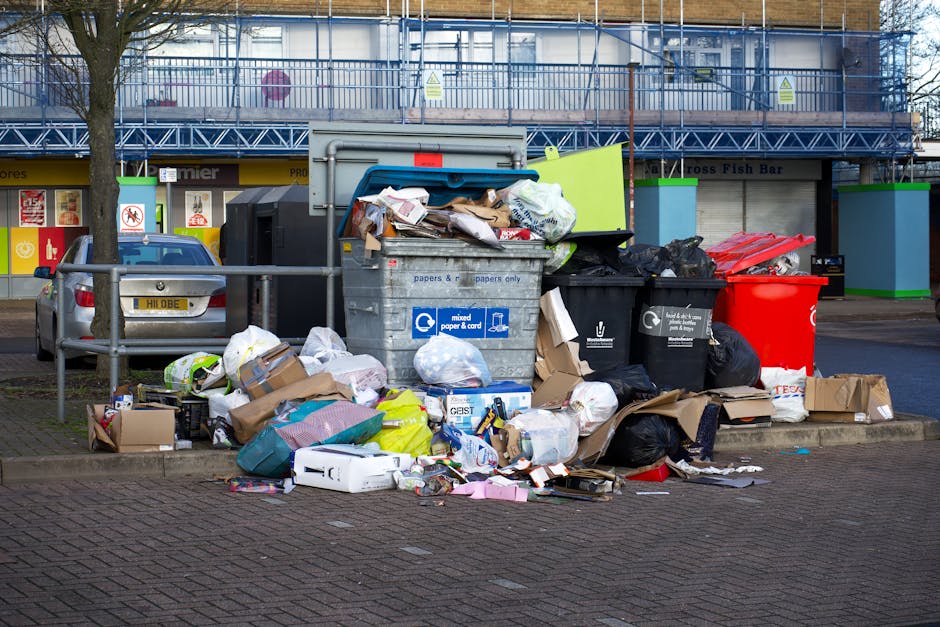
A subtle mistake landlords make is underestimating bin-store overflow. One overflowing communal area can affect neighbour relations quickly. That is not just a cosmetic issue. It can create complaints, attract pests, and make the building feel neglected. People notice that stuff. They really do.
Another one: assuming all "rubbish removal" services are the same. They are not. A service that suits a one-off clear-out may not be the right choice for repeated landlord needs, just as a garden clearance service will not solve a flat full of mixed tenancy waste. If you need a general sense of the available options, rubbish clearance in Islington and waste removal in Islington are useful starting points for comparing service style and scope.
Tools, Resources and Recommendations
You do not need a giant system to manage waste well, but a few practical tools make the landlord side much easier.
- Property photo log: Before and after pictures help with records and disputes.
- Simple inventory checklist: Useful at checkout so waste items are not missed.
- Access notes: A short note on parking, lift use, entry codes, and stair access can save time.
- Contractor contact sheet: Handy if letting agents, cleaners, and clearance teams all need coordination.
- Digital folder for invoices and job notes: Keep everything in one place. Future-you will be grateful.
From a service-planning angle, it is sensible to think in categories: domestic clearance, garden waste, builders waste, or office contents, rather than assuming one generic solution fits all. If the property has outside space, you may also want to look at garden waste removal. If it is a commercial or mixed-use unit, office clearance may be more relevant than a standard domestic collection.
Trust signals matter too. Responsible operators usually publish information about insurance and safety, how they handle recycling and sustainability, and the policies that shape the service. Even when you are only reading, those details tell you a lot about how seriously a company takes its work. That little bit of homework goes a long way.
Law, Compliance, Standards, or Best Practice
Waste handling in the UK is not something landlords should treat casually. You do not need to memorise legal text, but you do need to understand the basic principle: waste must be transferred to a properly authorised person or business and then handled in line with the relevant rules and local practice.
In plain English, that means:
- Use a provider that is legitimately licensed or otherwise authorised to collect and transport waste.
- Keep records of what was removed and when, especially for larger or more frequent collections.
- Do not leave waste to an unverified operator just because the price looks appealing.
- Be careful with items that may require special handling, such as electricals, sharp materials, or anything suspected to be hazardous.
Best practice for landlords is to keep a simple audit trail. That might be a quote, a job note, an invoice, and a few photos. Nothing dramatic. Just enough to show that you acted responsibly if questions come up later. In a shared building or HMO, this becomes even more useful because responsibility can get blurred quickly if nobody documented the removal.
It is also wise to think about tenant communication. If a move-out policy says tenants must clear all belongings, say so clearly and early. If you are going to arrange a licensed clearance after checkout, explain how charges or deposit deductions may be handled in line with your tenancy agreement and any applicable legal process. Keep it fair, keep it written down, and avoid the sort of vague instructions that come back to haunt everyone.
Options, Methods, or Comparison Table
Landlords usually choose between a few broad approaches. The best one depends on the amount of waste, access, urgency, and how much hands-on work you want to do yourself.
| Method | Best for | Pros | Watch-outs |
|---|---|---|---|
| DIY removal | Very small, simple loads | Can seem cheaper at first | Time-consuming, tiring, and risky if the waste is heavy or awkward |
| Licensed rubbish collection | Most landlord clearances | Professional handling, compliance confidence, less stress | Needs good planning and a clear scope |
| Specialist clearance service | Bulky, sensitive, or mixed waste jobs | Tailored to the property and access conditions | Can cost more if the job is complex |
| Ongoing managed waste plan | HMOs and multi-unit portfolios | Repeatable process, less last-minute panic | Requires coordination and regular review |
For most landlords, licensed collection lands in the sweet spot. It is professional without being over-engineered, and it gives you a cleaner paper trail than a DIY run to the tip. If you are comparing pricing and response times, a local cost guide like the real cost of rubbish clearance in Islington can help you ask better questions before booking.
Case Study or Real-World Example
Here is a realistic landlord scenario. A two-bedroom flat comes back after a tenancy with one mattress, a dismantled shelving unit, several bags of mixed rubbish, a broken kitchen chair, and a few odds and ends left behind in the cupboard under the sink. Nothing dramatic, but enough to delay cleaning and photos for the next letting round.
The landlord takes photos, lists the items, and checks access: fourth floor, no lift, narrow stairwell, limited parking. Instead of trying to shift everything in stages over a weekend, they arrange a licensed collection with clear instructions and a narrow arrival window. The team arrives, removes the waste in one visit, and the flat is ready for cleaning later that day.
That sounds simple, but the detail matters. Because the landlord had documented what was there and used a licensed provider, there was no confusion about responsibility. Because the access was explained early, there was no delay while someone tried to squeeze a sofa through a stairwell that clearly was not built for it. Small things, really, but they change the whole experience.
If you manage properties in busier parts of the city, this kind of planning becomes even more useful. Different neighbourhoods have different access pressures, loading realities, and timing constraints. Local articles such as the Upper Street rubbish clearance guide, N1 rubbish clearance for flats and HMOs, or tips to avoid clearance delays on Holloway Road can give you a feel for how location changes the practical side of waste removal.
Practical Checklist
Use this as a quick pre-booking check before you arrange licensed rubbish collection for a rental property.
- Confirm exactly what needs removing.
- Take clear photos of the waste and access route.
- Check whether any items need special handling.
- Note stairs, lifts, parking, and entry instructions.
- Decide whether the job needs same-day or scheduled collection.
- Ask how the provider handles licensing and documentation.
- Get the price structure in writing, even if it is only a short estimate.
- Coordinate collection with cleaning, repairs, and re-letting.
- Save the invoice and job notes for your records.
- Review your tenancy process so the same issue is less likely next time.
And one more, quietly important: if the property is in a building with shared spaces, make sure neighbours or building managers are not left guessing about what is happening. A short heads-up can prevent needless friction. Honestly, it saves a lot of grim faces in communal hallways.
Conclusion
Landlords do not need to become waste specialists, but they do need a clear, reliable approach. Licensed rubbish collection helps you keep properties compliant, presentable, and easier to manage when tenancies end or works begin. It also reduces the chance of sloppy handling, fly-tipping worries, and unnecessary delays. That is the real value.
If you remember only one thing, let it be this: the cheapest option is not always the safest option, and the easiest-looking fix is not always the most practical one. A little planning upfront makes a surprising difference later, especially when the clock is ticking and the next tenant is already asking when they can move in. That pressure is real. But it is manageable.
Get a free quote today and see how much you can save.
When the right process is in place, rubbish stops being a headache and becomes just another part of running a good property well. Quietly sorted. No drama. Which, for landlords, is often the nicest outcome of all.
 Tipper Van - Waste Removal and Rubbish Clearance Prices in Islington, N1
 Luton Van -


