Insider tips to avoid clearance delays on Holloway Road
Posted on 01/08/2026
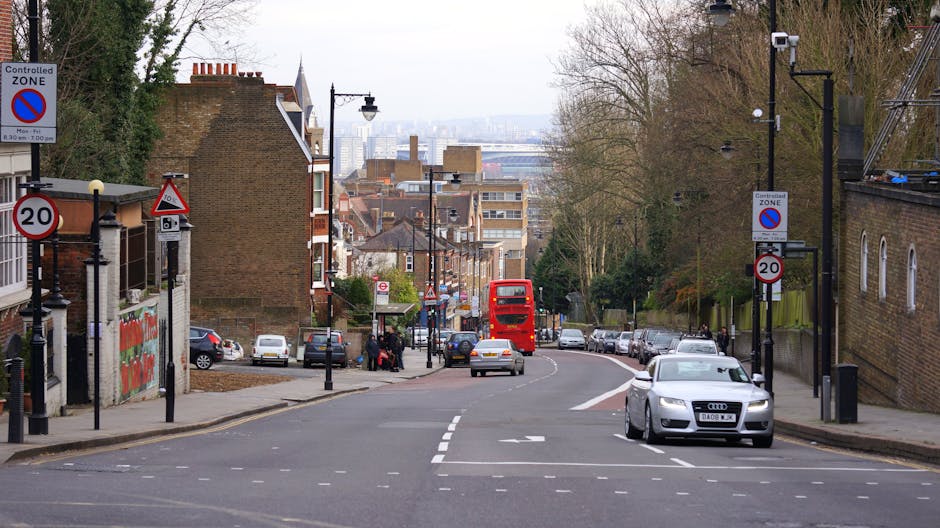
If you have ever tried to line up a rubbish clearance in a busy part of North London, you already know the feeling: one small delay turns into a missed slot, a blocked entrance, a stressed neighbour, and a job that runs into the next hour. On Holloway Road, that can happen faster than people expect. This guide gives you insider tips to avoid clearance delays on Holloway Road so you can plan properly, reduce friction, and keep the whole thing moving without the usual last-minute panic.
The good news? Most delays are preventable. They usually come down to access, poor prep, unclear item lists, parking problems, or simple communication gaps. Get those bits right and the rest tends to fall into place. Let's get into the practical stuff.
Why Insider tips to avoid clearance delays on Holloway Road Matters
Holloway Road is one of those stretches where timing matters more than people think. It is busy, often unpredictable, and full of the usual London mix: flats, terraces, shops, side streets, parked vehicles, and people coming and going all day. That makes clearance work more sensitive to small disruptions. A truck that cannot stop safely, a lift that is out of service, or a resident who forgot to move a car can slow everything down.
And delays are not just inconvenient. They can increase costs, create awkward situations with building managers, and make a straightforward house or office clearance feel oddly complicated. To be fair, most of the time nobody is doing anything wrong. The job just needed a bit more planning at the start. That is the whole point of getting ahead of it.
There is also a trust angle here. If you are arranging a clearance for a tenant move-out, refurbishment, probate, office refresh, or garden tidy-up, people want the work done cleanly and on time. A slick, well-organised clearance reflects well on everyone involved. Miss the timing and the whole thing can wobble. It's that simple.
How Insider tips to avoid clearance delays on Holloway Road Works
The basic idea is straightforward: remove avoidable friction before the crew arrives. That means knowing what is being collected, where it is located, how access works, and whether there are any local restrictions or building rules that could interrupt the job.
In practice, a good clearance on Holloway Road usually follows this pattern:
- Assess the load - identify what needs removing, how bulky it is, and whether any items need special handling.
- Check access - stairs, lifts, parking, permits, loading bays, timed entry points, locked gates, and entry codes all matter.
- Match the team and vehicle - the right size crew and vehicle makes a huge difference to speed.
- Prepare items in advance - bag loose waste, separate keep/donate/remove piles, and clear paths where possible.
- Confirm the schedule - double-check time windows, contacts, and any special instructions.
- Load efficiently - the crew should be able to start quickly rather than spending the first twenty minutes sorting the site.
That may sound obvious, but the devil really is in the detail. A clearance that looks simple from the street can become slow inside a flat, office, or house. The more you reduce uncertainty beforehand, the less likely you are to end up with a pause, a reschedule, or the dreaded "we'll need to come back later".
If you are still figuring out what level of service you actually need, the services overview is a useful place to compare the main options in one go. For wider planning, the page on your rubbish removal needs can help you think through the type of job before the day arrives.
Key Benefits and Practical Advantages
A well-planned clearance is not just faster. It tends to be calmer, cheaper in real terms, and easier for everyone around the job. That is especially true in a road like Holloway Road where small delays can snowball into traffic, neighbour, or access issues.
- Less waiting time for the crew and for you.
- Lower risk of extra charges caused by avoidable hold-ups.
- Smoother building access when stairs, lifts, or entry systems are involved.
- Fewer complaints or friction with neighbours, landlords, or site managers.
- Better job accuracy because the crew knows what is being removed before turning up.
- Less stress on the day - which, honestly, is half the battle.
There is a subtler benefit too: a more organised clearance usually leads to better disposal decisions. When items are sorted properly, it becomes easier to identify reusable goods, recyclable materials, and waste that needs to be managed carefully. If sustainability matters to you, that matters quite a lot. You can read more on the company's approach to recycling and sustainability.
For property owners, estate agents, and landlords, this also protects schedules. A delayed clearance can push back cleaning, inspection, or handover. And once one task slips, the rest follows. One domino and then another. You know the drill.
Who This Is For and When It Makes Sense
This guidance is useful for more people than you might think. It is not only for people getting rid of a sofa or a broken wardrobe. On Holloway Road, clearance delays can affect a range of situations:
- Homeowners clearing out clutter, renovations waste, or old furniture.
- Tenants trying to leave a property in good order and on time.
- Landlords and letting agents who need a property turned around quickly.
- Office managers booking an office clearance around business hours.
- Builders and decorators dealing with mixed renovation waste.
- Garden owners with green waste that has piled up a little too far.
- Probate or downsizing households where timing and sensitivity both matter.
It makes sense whenever there is limited access, a tight deadline, or multiple people involved in the decision. If the job is simple and wide open, fine. But if the items are spread across different rooms, a basement, a loft, or an upper floor, then early planning pays off almost immediately.
For bigger domestic jobs, the house clearance service can be a better fit than a general collection. For workspaces, office clearance support can help with desks, filing, electronics, and the kind of awkward leftovers offices always seem to generate. And if you are dealing with heavier renovation debris, the page on builders' waste disposal is the more relevant route.
Step-by-Step Guidance
Here is the practical version. Nothing fancy, just the steps that genuinely help keep a clearance on track.
- Walk the job in advance
Go room by room and identify everything that is leaving. If you can, group it by type: furniture, bags, mixed rubbish, appliances, garden waste, or construction debris. A vague "there's quite a bit" is not very helpful on the day. - Measure access honestly
Check stair width, lift size, doorway clearance, and any tight corners. If you know a wardrobe barely fits through the hallway, say so. Saves time. Saves swearing too. - Sort parking or stopping arrangements
On a busy road, even a few minutes of bad parking planning can cause a headache. If there is limited curb space, make sure the crew knows where they can safely stop and unload. - Separate special items
Keep aside anything that needs extra care: fridges, mattresses, paint, sharp waste, fragile items, or electronics. Do not bury them under general clutter. - Clear the path before arrival
Move small obstacles out of hallways and doorways. A clear route lets the team work properly and reduces the chance of damaged walls or dropped items. - Be precise about what stays
Mark anything you want to keep. That could be as simple as tape, a note, or moving it into a separate room. Sounds basic, but it prevents the classic mix-up. - Confirm the booking details the day before
Check timing, contact numbers, access codes, and any building rules. If the job is early morning, make sure the relevant person is actually awake. That helps. - Stay reachable during the slot
Sometimes the crew needs a quick decision: is this unit staying or going? A fast answer keeps the pace up.
That sequence works because it reduces uncertainty before anyone starts lifting. The fewer on-the-spot decisions, the faster the clearance tends to go.
Expert Tips for Better Results
If you want the kind of efficiency that feels almost boring because everything just works, these are the details that make a difference.
1. Photograph the waste before the appointment
A few clear photos can do a lot. They help the team understand volume, access, and whether the job is straightforward or more involved. It is not about making the job smaller than it is. It is about avoiding surprises. Surprises are what slow things down.
2. Be specific about mixed waste
"Mixed rubbish" can mean many things. A pile of cardboard and broken flat-pack is one thing; a mix of furniture, metal, small electricals, and bagged waste is another. The more accurate the description, the easier it is to bring the right crew and plan the load-out properly.
3. Time the clearance around the building rhythm
On Holloway Road, timing matters. Midday can be noisy and busy. School run periods, shopping traffic, and delivery windows can all make access trickier. If you have some flexibility, choose a slot that gives the crew a cleaner run at the site.
4. Keep one person in charge of decisions
Nothing slows a clearance quite like three people answering the same question differently. If possible, assign one person to make the call on what goes and what stays. Simple. Very effective.
5. Match the service to the job size
Using a light touch for a heavy job often causes delays because the team has to work around capacity limits. Likewise, overbooking for a tiny clear-out can waste time and money. Matching service to need is one of the smartest things you can do. If you are unsure, a quick review of waste removal options can help you think it through more clearly.
And a small one, but useful: keep drinks, keys, and access cards where you can find them. I know, that sounds obvious. Yet on the day, people still end up searching under papers or in coat pockets. Human nature, really.
Common Mistakes to Avoid
Most clearance delays come from a handful of repeat mistakes. If you avoid these, you are already ahead of the game.
- Leaving everything until the crew arrives and expecting the job to organise itself.
- Forgetting about access restrictions such as locked gates, narrow stairwells, or lift limits.
- Assuming parking will sort itself out, which it rarely does in busy areas.
- Mixing keep and remove items together so the crew has to stop and ask questions.
- Underestimating volume and booking too small a vehicle or too little time.
- Not mentioning awkward items like appliances, broken glass, or heavy furniture.
- Ignoring building rules and then trying to deal with them at the door.
There is also the "I thought that would fit" problem. A lot of delays start with optimism. Friendly optimism, maybe, but optimism all the same. Measure first, hope later.
If you want a sense of how pricing can change when jobs are rushed, delayed, or more complex than expected, the article on the real cost of rubbish clearance in Islington is a practical read. It helps frame the difference between a clean booking and an avoidable headache.
Tools, Resources and Recommendations
You do not need fancy equipment to avoid delays. A few simple tools and habits are enough in most cases.
- Sticky labels or tape for marking items that must stay.
- A phone camera to photograph large loads and access points.
- A notepad or shared checklist so everyone agrees on what is going.
- Measuring tape for doors, stairs, lifts, or bulky furniture.
- Bin bags or boxes to group smaller waste before collection.
- A contact list with the site person, letting agent, or building manager if needed.
For planning and reassurance, the company pages on pricing and quotes, insurance and safety, and about us are worth a look. They help you understand how the service is approached, what to ask before booking, and why clear communication matters.
If your job is in a block of flats or shared housing, the advice in N1 rubbish clearance for flats and HMOs is especially relevant. For more local context around busy routes and tighter access, quick tips for rubbish removal near Angel Station also translate well to Holloway Road conditions.
Law, Compliance, Standards, or Best Practice
This part does matter, even if it is not the most exciting bit. In the UK, waste must be handled responsibly, and anyone arranging clearance should be careful about who removes it, where it goes, and whether the service is set up to manage waste properly. You do not need to become an expert in waste law to make a good booking, but you should expect professionalism, basic safety, and sensible handling.
Best practice usually means:
- clear communication about what is being collected
- safe lifting and loading
- care around shared entrances and communal areas
- attention to recycling where feasible
- respect for building rules and neighbouring properties
If a clearance involves items with special treatment needs, such as electrical equipment, sharp materials, or heavily contaminated waste, it is worth raising that early. That avoids delay and reduces risk. Likewise, if you are clearing a commercial space, the expectations are often stricter because landlords, building managers, or other occupiers may be involved.
Best practice is often just common sense done well. Keep the route clear, tell the truth about the volume, and do not hide the awkward bits. That's half the battle, honestly.
Options, Methods, or Comparison Table
Different jobs call for different approaches. Here is a simple comparison to help you choose the most practical route.
| Method | Best for | Delay risk | Notes |
|---|---|---|---|
| Self-clearance | Very small loads and flexible schedules | Medium to high | Can take longer if parking, transport, or sorting becomes messy |
| Booked general clearance | Standard household or mixed waste jobs | Low to medium | Works well when access and item details are provided in advance |
| Specialist clearance | Office, builder's waste, garden waste, or awkward items | Low if planned well | Usually the best fit for more specific jobs |
| Same-day collection | Urgent clear-outs and time-sensitive jobs | Medium | Useful, but only if access and readiness are good |
The main thing to remember is that speed does not come from rushing. It comes from reducing unknowns. A same-day slot can be smooth if the site is ready. A next-week booking can still be delayed if nobody has checked the basics. Weird, but true.
Case Study or Real-World Example
Picture a typical Holloway Road flat clearance. Two bedrooms, one hallway stacked with bags, a bulky sofa in the living room, and a small lift that only takes one person and one item at a time. The resident has a moving deadline and the landlord wants the place turned over quickly.
Now imagine the difference between two approaches.
Without preparation: the team arrives, realises parking is awkward, discovers a locked side entrance, then spends time separating keep items from waste because nothing was labelled. The lift keeps coming and going. The job drags. Everyone gets more tired, and the final stretch is slower than expected.
With preparation: the resident sends photos the day before, confirms access codes, labels a few important boxes, clears the hallway, and leaves a note on what stays. The crew arrives, gets in quickly, and starts loading without interruption. Simple job, much better tempo.
That kind of contrast is common. In our experience, the delay itself is rarely mysterious. It is usually hiding in one of three places: access, communication, or item sorting. Once you remove those problems, the rest gets much easier.
If you are planning around local property turnover, the wider content on the Islington property market and whether Islington is a great place to settle gives useful context for why fast, tidy clearances matter so much in the area. There is always someone waiting on the next step.

Practical Checklist
Use this before your clearance booking. It is basic, but that is why it works.
- List everything that needs removing.
- Separate items to keep from items to go.
- Take a few photos of the load and access points.
- Measure doorways, stairs, and lifts if anything is bulky.
- Check parking or stopping options near the property.
- Confirm entry codes, key access, or building instructions.
- Tell the team about heavy, awkward, or fragile items.
- Clear hallways and obvious trip hazards.
- Make sure one person is available to answer questions.
- Double-check the appointment time the day before.
Quick summary: if you tell the truth about the job, prepare the access, and keep decisions simple, you will avoid most delays before they even start. That is the real insider trick. Not glamorous, but effective.
Get a free quote today and see how much you can save.
Conclusion
Clearance delays on Holloway Road are usually preventable, and that is the reassuring part. Once you understand the local realities - busy access, tight parking, shared entrances, and the need for tidy coordination - the job becomes much more manageable. A little planning goes a very long way.
The best results come from simple habits: describe the load properly, prepare the space, keep communication clear, and choose the right type of clearance for the job. Nothing dramatic. Just the kind of practical preparation that saves time, energy, and a fair bit of irritation.
If you take anything from this guide, let it be this: speed is usually a by-product of organisation. Get the details right, and the rest tends to fall into place. And when it does, the whole thing feels pleasantly uneventful - which, for a clearance job, is exactly what you want.
 Tipper Van - Waste Removal and Rubbish Clearance Prices in Islington, N1
 Luton Van -


